
How Much Does a Bug Sweep Cost in the UK?
Professional bug sweeps in the United Kingdom typically cost between £300 and £1,500 or more, depending on the type of property, its size, and the level of equipment and expertise deployed. At the lower end of this range, operators tend to use basic radio-frequency detectors that can only identify devices actively transmitting at the moment of the sweep. At the higher end, specialist TSCM firms deploy the full range of professional-grade detection equipment — spectrum analysers, non-linear junction detectors, thermal imaging cameras, and network analysis tools — capable of locating surveillance devices whether they are transmitting, dormant, switched off, or recording internally.
At National Bug Sweeping, our TSCM inspections are charged from £600 plus VAT, with a fixed fee agreed before attendance and no additional charges on the day. The summary below sets out our pricing by service type.
Pricing current as of September 2026. All fees are subject to VAT at the prevailing rate.
| Service | Fee (plus VAT) |
|---|---|
| Vehicle bug sweep | From £600 |
| Flat or small office | £800 – £1,200 |
| House or larger office | From £1,200 |
| Phone or device forensic examination | Available standalone or alongside a property inspection — by quotation |
| Yacht, aircraft, or hotel suite | By quotation |
| Live in-meeting monitoring | By quotation |
Every inspection is conducted by the specialist with whom you deal and is never subcontracted. A fixed fee is agreed before attendance, there are no additional charges on the day, and you receive a written report upon completion.
Bug Sweep Cost by Property Type
Vehicle Bug Sweep Cost
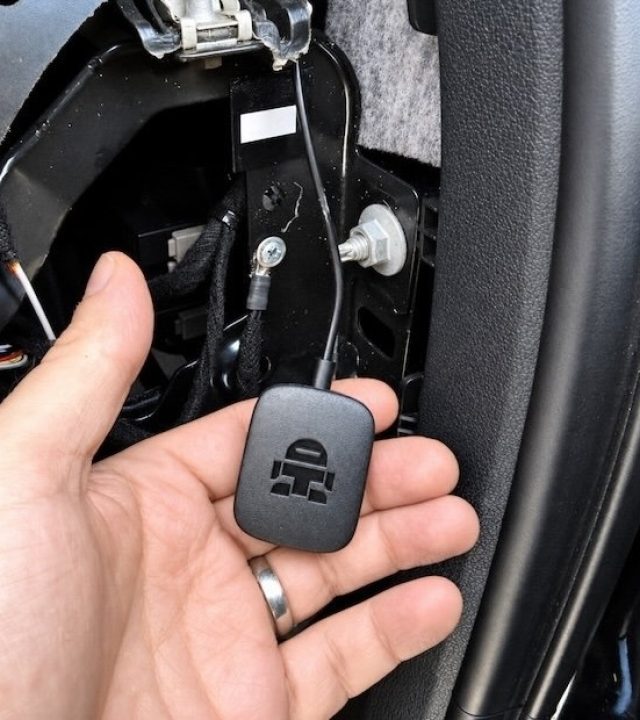
A vehicle bug sweep in the UK typically costs between £400 and £800 or more. Prices vary according to the type and size of the vehicle, whether the inspection is booked alongside a property sweep, and the equipment used. A vehicle inspection at the lower end of this range will often rely on basic RF scanning, which cannot detect tracking or listening devices that are dormant, switched off, or transmitting only intermittently via GSM networks. A professional vehicle TSCM inspection examines the vehicle physically, electronically, and underneath — where the majority of tracking devices are placed in practice — and includes a scan of the radio-frequency environment to identify intermittent and GSM-based transmissions.
Our vehicle inspections start from £600 plus VAT and cover the full physical and electronic scope: the underside, wheel arches, bumper cavities, OBD port, vehicle wiring, interior trim, and a radio-frequency sweep of the spectrum in and around the vehicle. A vehicle inspection is often combined with a residential sweep in a single attendance.
Home Bug Sweep Cost

Residential bug sweeps in the UK range from around £300 for a basic one-room sweep using handheld RF detection equipment, up to £1,500 or more for a thorough professional TSCM inspection of a larger property. The size of the property is the most significant variable: a one-bedroom flat requires considerably less time and equipment deployment than a five-bedroom house. The level of equipment used matters equally. A professional TSCM inspection combines a systematic physical search of fittings, furnishings, sockets, voids, and fixtures with a full electronic survey: spectrum analysis, non-linear junction detection to locate dormant or non-transmitting devices, thermal imaging to identify powered devices concealed behind walls and fixtures, lens detection for concealed cameras, and an examination of the household network and wireless environment.
Our residential inspections are priced from £800 to £1,200 plus VAT for a flat or smaller property, and from £1,200 plus VAT for a house or larger property. The fee includes a detailed physical and electronic examination of every designated room, an assessment of the household network and connected devices, and a written report with recommendations.
Office Bug Sweep Cost
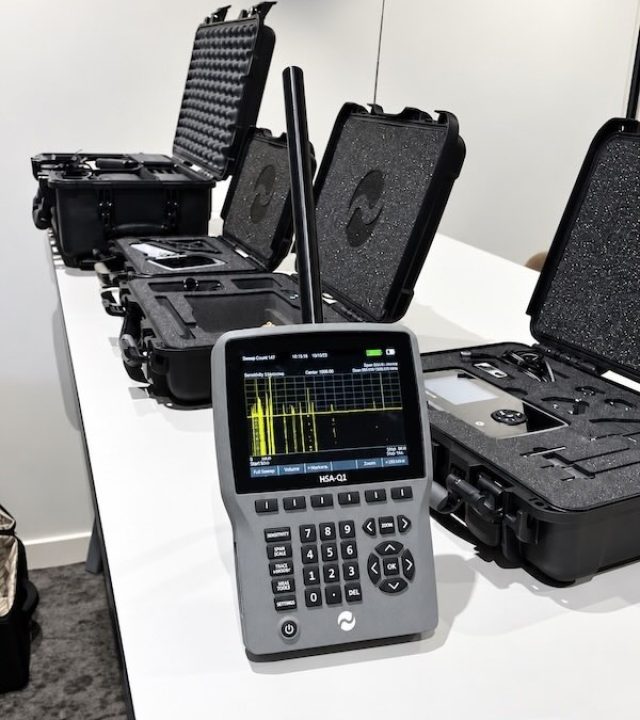
The cost of an office or commercial bug sweep depends primarily on the floor area, the layout and construction of the premises, and the scope of the engagement. Across the UK market, professional TSCM inspections of commercial premises typically range from £650 for a small office up to several thousand pounds for larger floor plates. A boardroom-only pre-meeting sweep will cost less than a full-floor inspection, and scheduled inspections forming part of an ongoing security programme are often quoted differently from one-off engagements.
Our office inspections start from £800 plus VAT and include a full physical and electronic survey of the designated areas: furniture, fittings, power and data outlets, ceiling voids, IT hardware, and conference equipment, combined with spectrum analysis, the detection of dormant devices, thermal imaging, and network analysis. We also inspect for the data-theft hardware increasingly found in commercial environments: keyloggers, rogue wireless access points, network interception equipment, and malicious USB devices. Pre-meeting inspections and live in-meeting monitoring of the radio environment are available for discussions of particular sensitivity.
Phone and Device Examination Cost
A forensic examination of a mobile phone for spyware, stalkerware, or advanced malware is a specialist service that sits outside the scope of most standard bug sweeps. Costs vary according to the platform, the depth of examination required, and whether the analysis is conducted alongside a property inspection or as a standalone engagement. The mobile telephone is now the most common instrument of covert surveillance, and a compromised handset defeats every physical security measure in the building. Forensic examination requires specialist platforms capable of detecting the full range of compromise, from commercially available stalkerware through to the state-level spyware deployed against executives, legal practitioners, and public figures.
We examine telephones using the MEFF M3-PRO forensic platform. Examinations are available as part of a property or vehicle inspection, or as a standalone engagement. Please contact us for a quotation.
Yacht, Aircraft, and Hotel Inspection Cost
Inspections of yachts, charter vessels, private aircraft, and hotel suites or meeting rooms are priced on a case-by-case basis. These engagements are typically conducted immediately before use so that the space can be secured once cleared, and the scope varies with the size of the vessel or suite and the communications systems on board. Costs in the wider UK market for yacht and aircraft inspections can range from several hundred pounds for a small vessel to many thousands for a large aircraft, depending on the complexity. Please contact us for a quotation tailored to your circumstances.
What Affects the Cost of a Bug Sweep?
Several factors influence the cost of a professional bug sweep. Understanding them is useful when comparing quotations, because a price alone tells you very little about what the inspection will actually involve.
Property Size and Number of Rooms
A larger property takes longer to inspect thoroughly. A professional TSCM team will conduct a systematic physical examination of every designated room — including furnishings, fittings, lighting, power outlets, smoke detectors, voids, and fixtures — alongside the electronic survey. A two-room flat may take two to three hours; a large house or full office floor may take a full day. Any quotation should reflect the number of areas to be covered, and any operator who quotes the same fee regardless of property size is unlikely to be adjusting the scope of their inspection to match.
Equipment Deployed

This is the single most important factor, and it is the one most easily overlooked when comparing prices. A professional TSCM equipment set — of the class used by government sweep teams — typically represents an investment exceeding six figures. It includes real-time spectrum analysers capable of monitoring the full range of frequencies used by modern devices, non-linear junction detectors (NLJD) that locate electronic components whether or not the device is powered, thermal imaging cameras that identify heat signatures from concealed electronics, and network analysis tools. An operator working with a handheld RF detector purchased for a few hundred pounds cannot offer the same level of detection, and the price will reflect that difference.
When evaluating a quotation, it is worth asking what equipment will be used. Spectrum analysis, NLJD, and thermal imaging should be considered the minimum for a professional TSCM inspection. If none of these are mentioned, the inspection is unlikely to locate devices that are dormant, switched off, or recording internally without transmitting — which is precisely how many modern surveillance devices are designed to operate.
Urgency and Out-of-Hours Attendance
Most professional TSCM firms are accustomed to working outside business hours — discreet attendance in the evening or at weekends is often preferable, particularly for residential and corporate work. Some firms charge a premium for out-of-hours or emergency attendance. Our standard fees cover attendance at a time of your choosing, including evenings and weekends, with no additional charge.
Location and Travel
Some operators add travel costs on top of the quoted inspection fee, particularly for engagements outside London or the South East. Our fees are quoted as fixed, all-inclusive figures, and we deploy throughout the United Kingdom within twenty-four hours. The fee agreed is the fee charged, wherever the inspection takes place.
Additional Services
A bug sweep focused solely on a property may not address every avenue of risk. Telephone and device forensic examinations, vehicle inspections, live in-meeting monitoring, and assessments of network security and data-theft hardware all extend the scope and may affect the overall fee. A good operator will discuss these with you before quoting and will recommend only what is appropriate to your circumstances.
Why Cheap Bug Sweeps Can Cost You More

It is possible to find operators advertising bug sweeps for £200 to £300, and it is worth understanding what this price typically reflects. Professional TSCM detection equipment represents an investment of well over £100,000 for a single set, and in many cases closer to £200,000. The cost of maintaining, calibrating, and replacing that equipment is ongoing. An operator charging a few hundred pounds per inspection either does not carry this equipment or cannot sustain a viable operation while using it.
In practice, the most common approach at the budget end of the market is a walk-through with a handheld radio-frequency detector. These devices, typically costing between £50 and £500, detect active RF transmissions in the immediate vicinity. They are capable of finding a device that happens to be transmitting at the exact moment the sweep takes place. They cannot detect a device that is switched off, dormant between transmissions, recording internally to a memory card for later retrieval, hardwired into the mains or a network port, or operating on a frequency outside the detector's range. They cannot locate a non-transmitting GPS tracker, a keylogger, a rogue wireless access point, or a concealed camera that stores footage locally. In short, they miss precisely the devices that any moderately informed individual would use.
A professional TSCM inspection addresses these gaps. Spectrum analysis monitors the full radio-frequency environment in real time, identifying intermittent and burst transmissions that a handheld detector would miss. Non-linear junction detection locates the semiconductor junctions present in all electronic devices, whether powered or not. Thermal imaging identifies heat signatures from concealed powered devices behind walls, fixtures, and furnishings. A systematic physical examination searches the fittings, voids, and fixtures where devices are concealed in practice — not merely scanned from the centre of a room.
The cost of a false negative — an inspection that gives the impression of security while devices remain in place — can be considerably greater than the difference in price between a budget sweep and a professional one. If the inspection matters enough to commission, it matters enough to commission properly.
What Is Included in Our Fee
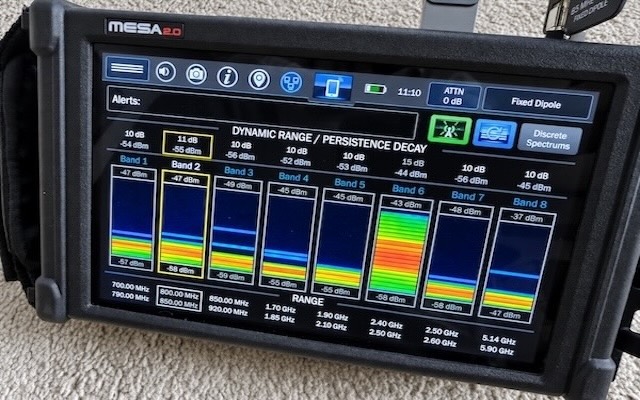
Every inspection conducted by National Bug Sweeping is a holistic audit of physical and data security, not merely a search for devices. The fixed fee agreed before attendance covers the following:
- A systematic physical examination of every designated room, including fittings, furnishings, power and data outlets, lighting, smoke detectors, ceiling and floor voids, and fixtures
- A full electronic survey: real-time spectrum analysis, non-linear junction detection, thermal imaging, lens detection for concealed cameras, and analysis of the wireless and network environment
- Inspection for data-theft hardware: keyloggers, rogue access points, network interception equipment, and malicious USB devices
- An assessment of the wider security position: access control, the handling and disposal of sensitive material, and the indicators of insider risk
- Any device discovered documented and photographed in situ and preserved correctly, to evidential standards suitable for legal proceedings
- A comprehensive written report setting out the areas examined, the findings, and specific recommendations
- No additional charges on the day, and no travel surcharges regardless of location in the United Kingdom
Every engagement is supported by our written 6-Point Guarantee covering the thoroughness of the inspection, the confidentiality of the engagement, and the quality of the report.
Frequently Asked Questions
How long does a professional bug sweep take?
A single vehicle or a small number of rooms typically requires two to four hours. A full residential property or office floor will take longer, and a thorough inspection should never be compressed to accommodate a schedule. The time taken reflects the size of the area, the construction of the property, and the need for a methodical physical and electronic survey. Any provider offering to sweep a large property in under an hour is unlikely to be conducting a thorough inspection. An accurate time estimate should be provided alongside the quotation.
Can I detect surveillance devices myself?
Consumer-grade RF detectors are widely available and inexpensive, but their capabilities are limited. They detect active radio-frequency transmissions in a narrow band and at close range, which means they can only find a device that happens to be transmitting at the precise moment you walk past it. Modern surveillance devices are designed to evade exactly this kind of detection: many record internally to a memory card, transmit in short bursts at irregular intervals, or operate on frequencies outside the range of consumer detectors. Hardwired devices, GPS trackers, keyloggers, and network interception hardware produce no RF signature at all. A negative result from a consumer detector does not mean a property is clear — it means nothing was found with that particular method at that particular moment.
What equipment do professional TSCM teams use?
A professional TSCM inspection uses several categories of equipment in combination. Real-time spectrum analysers monitor the full radio-frequency environment and identify both continuous and intermittent transmissions across a wide band. Non-linear junction detectors (NLJD) locate the electronic components within concealed devices, whether they are powered on or completely switched off. Thermal imaging cameras detect the heat produced by powered electronics hidden behind walls, ceilings, furnishings, and fixtures. Lens detectors identify concealed camera lenses using reflected light. Network analysis tools examine wireless environments, wired infrastructure, and connected devices for rogue access points, interception hardware, and malicious equipment. A professional-grade TSCM kit typically represents an investment exceeding six figures, and each instrument requires regular calibration and maintenance.
What is the difference between a basic RF sweep and a professional TSCM inspection?
A basic RF sweep uses a handheld detector to scan for active radio-frequency transmissions in the immediate area. It is a single method of detection and can only find devices that are transmitting at the time of the sweep. A professional TSCM inspection combines multiple detection methods — spectrum analysis, non-linear junction detection, thermal imaging, lens detection, network analysis, and a systematic physical search — to locate surveillance devices regardless of their operating state. The distinction is significant: many modern devices are specifically designed to evade basic RF detection by transmitting intermittently, recording locally, or operating on non-standard frequencies.
What should I do if I think I am being monitored?
The most important step is to avoid alerting anyone that you suspect surveillance. Do not search your property or vehicle yourself, as this risks disturbing a device that may later have evidential value, and may alert the person monitoring you that you are aware. Do not discuss your suspicions in the location you believe to be compromised. Contact a TSCM specialist from a device and location you trust — a colleague's phone, for example, or a call made from a location away from your home, office, or vehicle. If a device is present, the fact that the person monitoring you does not know you are checking is the principal advantage you hold.
To speak with a TSCM specialist in confidence, telephone 020 7126 8492 or make an enquiry.
Should you believe your telephone or property may be monitored, we recommend contacting us from a device and location you trust.